Joinery notes · Canada
Joints, glue-ups, and clean assembly for first furniture builds.
Reference notes for beginners cutting their first dovetails, chopping mortises, and gluing up a panel without panic. Written for small home workshops, garages, and shared maker spaces across Canada, where seasonal humidity swings change how wood and glue behave.

Where to start
Three joints carry most beginner furniture.
You do not need a wall of clamps or a router table to build something that lasts. Most first projects — a stool, a bookshelf, a small table — rely on a handful of joints and one careful glue-up.
A well-fitted joint resists racking on its own. Glue then locks it. The dovetail and mortise-and-tenon both add interlocking surfaces rather than relying on adhesive alone.
Long-grain to long-grain glue surfaces hold far better than end grain. Joinery is partly a way of turning weak end-grain connections into strong long-grain contact.
Clamp the whole assembly without glue first. If a dry run is fighting you, a timed glue-up with open adhesive will be worse. Rehearse, then commit.
Articles
Field notes on the joints you will actually use.
Cutting your first dovetails
Layout, saw angle, and paring the waste for a drawer corner that holds without metal fasteners.
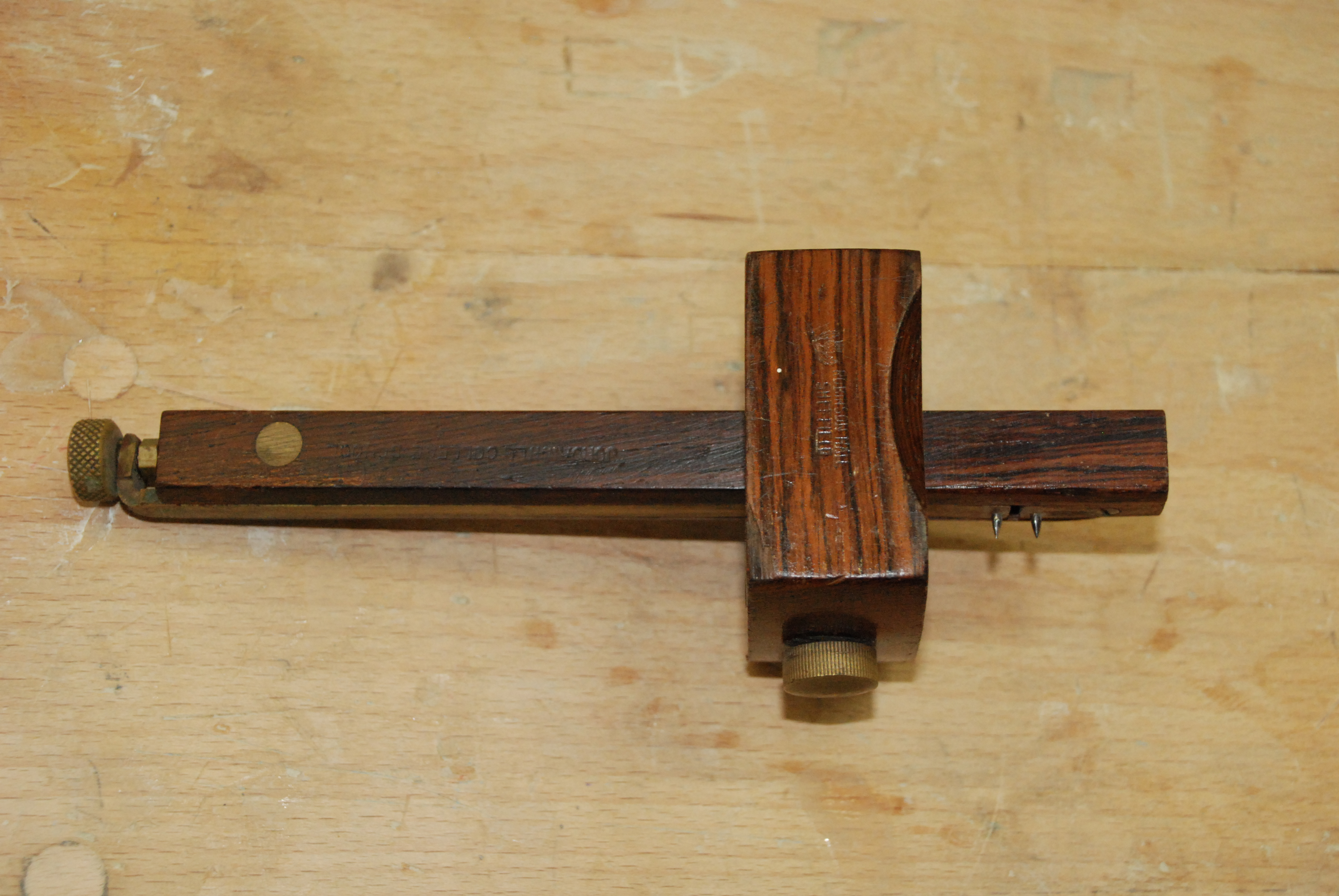
Mortise and tenon, step by step
The workhorse joint for table aprons and chair frames. Marking, chopping, and fitting a snug tenon.

Glue-ups and clamping calmly
Choosing an adhesive, managing open time, and clamping a panel flat without starving the joint.
Canadian workshops
Why humidity changes your plan.
Wood moves with the seasons. In much of Canada, indoor air is dry in winter and damp in summer, so a panel glued tight in August can shrink and crack if it was assembled with no room to move. Frame-and-panel construction — a floating panel inside a grooved frame — is the traditional answer, and it is why the mortise-and-tenon joint shows up in so many doors and tabletops.
Water-based PVA glues, the common yellow and white wood glues, also cure more slowly in cold shops. Many adhesives have a recommended minimum application temperature; check the container before a winter garage glue-up.
Practical detail
Let rough lumber sit in your shop for several days before final milling. It acclimates to the room and is far less likely to twist after you have cut joinery.

Questions about a build?
Send a note about a joint you are stuck on.
The contact page has a short form for general questions about the topics covered here.
Go to contact